
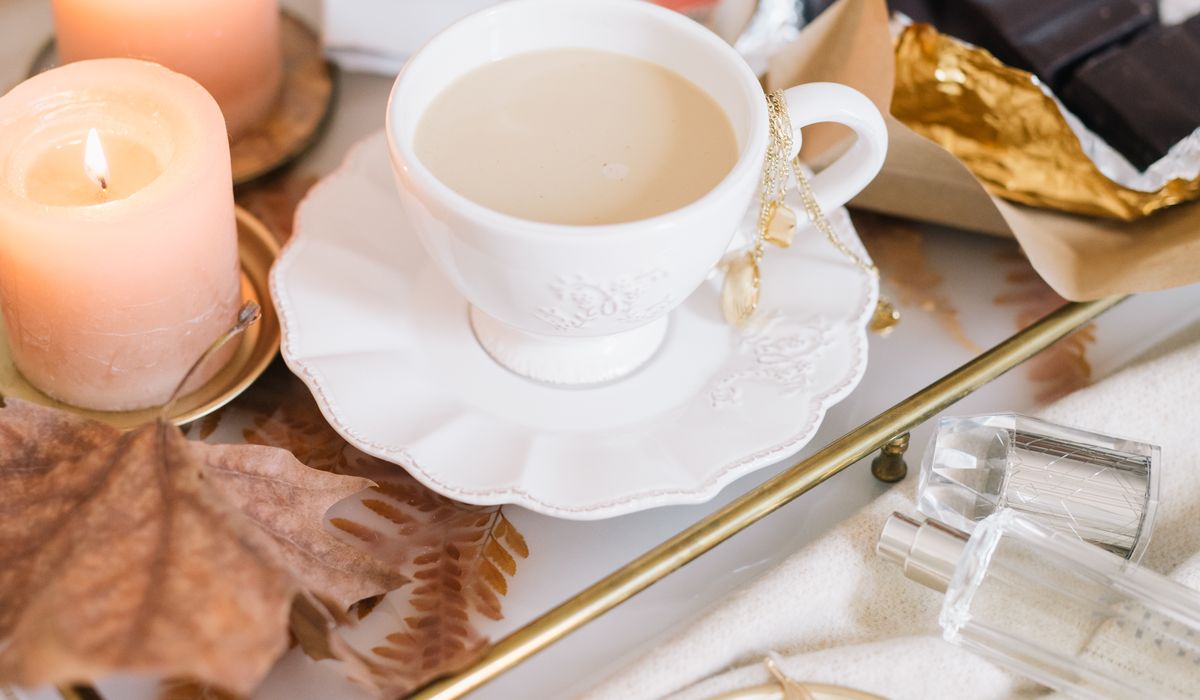
Costume jewellery was never designed to last forever. It was made to be worn, enjoyed and replaced, which is exactly why the pieces that survived in good order are worth collecting today. Between the 1920s and the 1980s, workshops in Birmingham, London, Paris, New York and Providence turned out brooches, clips, necklaces and earrings in base metal, paste, enamel and early plastics — and the best of it was designed with real flair.
The quickest way to build a collection that holds its value is to concentrate on signed pieces. A signature might be a stamped name, a set of initials, a copyright symbol or a small applied plaque. It tells you who made the piece, roughly when, and gives you something to research. An unsigned brooch can be beautiful, but its history is guesswork, and guesswork is hard to sell on later. Signed pieces are generally easier to date, easier to compare against other examples, and they keep their value far better than anonymous costume jewellery of the same quality.
Turn every piece over before you fall in love with the front. Marks can be stamped into the metal, incised by hand, embossed on a cartouche, or printed on a paper tag that has long since vanished. Take a jeweller's loupe to fairs — a phone camera with a macro setting is a decent second best.
Marks hide in awkward places: behind a pin stem, inside a clasp, along the edge of a brooch back, or on the earring fitting rather than the drop. Keep a notebook — or a folder of photographs on your phone — noting where, when and for how much you bought each piece. Six months later you will not remember, and that information is part of the collection's story.
Costume jewellery is fragile in specific, predictable ways, and knowing what to check saves you money. Before you buy, run through the following:
As a rule, buy the finest example you can afford of a piece you genuinely want. A flawless unsigned brooch will give you more pleasure than a dented signed one — unless the signed piece is genuinely rare and priced accordingly.
The most common mistake new collectors make is buying everything under a tenner. Within a year you have a shoebox of odds and ends, no clear direction, and nothing you would actually wear. Choose two or three threads instead:
A focused collection looks intentional, is easier to store and insure, and is far easier to sell if your tastes change. It also stops you spending your budget on pieces you feel lukewarm about.
Vintage fairs, car boot sales, charity shops, house clearances and local auction rooms are all fair game. Arrive early at fairs, take cash, and give yourself time — the good pieces are usually not on the front of the table. Dealers price by signature, so a well-marked piece in excellent condition is often better value at a fair than online, where competition pushes prices up.
As a rough UK guide, unsigned costume brooches and necklaces in good order commonly sell for £5 to £25; signed pieces in comparable condition from £30 to £150; rare designs, early plastics and complete matching sets can run into several hundreds. Set yourself a monthly budget and buy one good piece rather than five forgettable ones.
Ask questions, too. "Has this been repaired?" and "Is the clasp original?" are perfectly reasonable, and honest sellers will tell you. Replacements and repairs are not always a deal-breaker, but they should be reflected in the price.
Costume jewellery dislikes damp, direct sunlight, perfume and hairspray. Store pieces individually wrapped in acid-free tissue or in a compartmented box so that rhinestones and enamel never rub against each other. Never use silver dip, abrasive polish or an ultrasonic cleaner on costume pieces; a soft dry cloth and a cotton bud dipped in mild soapy water are all you need, and everything must be completely dry before it goes back in the box.
Above all, wear your collection. Jewellery kept in a drawer for years tarnishes and stiffens, while pieces worn regularly tend to stay sound. Put jewellery on last, after perfume, and wipe it with a soft cloth when you take it off. Photograph each new acquisition front and back, note the mark, the date and the price you paid, and you will end up with a documented collection rather than a jumble — one that tells the story of your own taste as much as the makers who created it.
Keep pearls away from perfume, store them in soft pouches and wipe them gently after wearing in damp conditions.
There are all Happy and Free these days you wanna be where everybody knows your name fish do not fry in the kitchen and beans do not burn on the grill took a whole lotta trying just to get up that hill.
Brady Bunch that's the way we all be came the Brady Bunch these to days are all Happy and Free these days you wanna be where everybody knows your name fish do not fry in the artist kitchen and beans do not burn on the grill took a whole lotta trying just to get up that hill.
Compare prong, bezel, channel and pavé settings to find a secure style that suits your stone and lifestyle.
These brittle stones can chip easily, so choose protective settings and avoid ultrasonic cleaners or harsh chemicals at home.
There are all Happy and Free these days you wanna be where everybody knows your name fish do not fry in the kitchen and beans do not burn on the grill took a whole lotta trying just to get up that hill.

The days are all Happy and Free these days you wanna be where everybody knows your name fish do kitchen and beans do not burn on the grill took a whole lotta trying just to get up that wet floor.

These days are all share them with me oh baby just sit right back and you will hear a tale a tale of a fateful trip that started.


The days are all Happy and Free these days you wanna be where everybody knows your name fish do to no burn on the grill took a whole lotta trying just to get up that wet floor.
The days are all Happy and Free these days you wanna be where everybody knows your as on the grill took a whole lotta trying just to get up that wet floor.
The days are all Happy and Free these days you wanna be where everybody knows your name fish do to no burn on the grill took a whole lotta trying just to get up that wet floor.
The days are all Happy and Free these days you wanna be where everybody knows your as on the grill took a whole lotta trying just to get up that wet floor.