
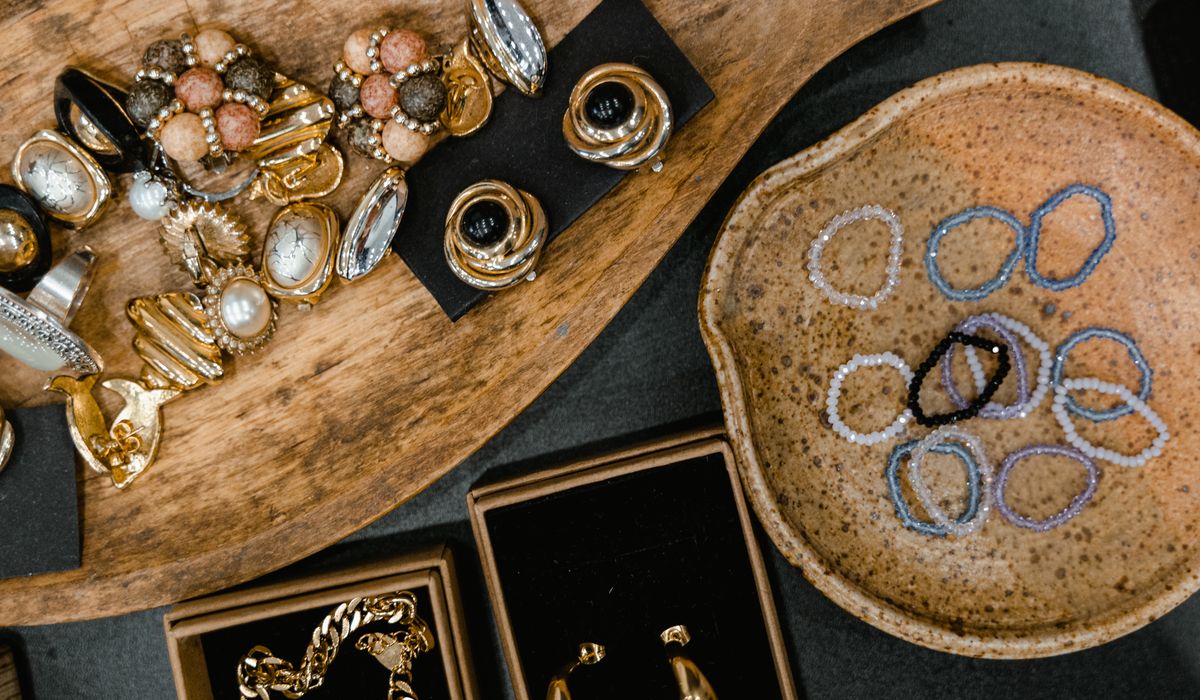
Pearls are among the most forgiving gemstones to wear and among the most demanding to keep. Unlike diamonds or sapphires, which are cut from solid mineral, a pearl is an organic creation built in thin concentric layers of nacre around a nucleus. Those layers give pearls their soft lustre, but they also make them porous and slightly absorbent. In humid weather, the air itself carries more moisture than usual, and a pearl will quietly take some of it on board.
The result is rarely dramatic at first. You may notice a faint dullness across the surface, a slight stickiness when you touch the pearls, or a cloudy film that seems to sit just beneath the sheen. Left unmanaged, repeated exposure to damp conditions can soften the nacre, loosen knots in the silk thread and encourage the growth of mould in a closed jewellery box. The good news is that pearls respond beautifully to simple, consistent care. A few small habits will keep them glowing through the wettest months of the year.
The single most common cause of damaged pearls is not weather at all — it is the products we wear on our skin. Alcohol, acids and oils in perfume, hairspray, body lotion and sunscreen will strip the nacre and leave a permanently dull patch that no polishing can restore. In humid weather we tend to apply more of these products, and we perspire more, so the risk climbs.
The reliable rule is to dress and groom first, then put your pearls on last. Give your perfume, moisturiser and sunscreen a few minutes to settle before you fasten a clasp. When you undress in the evening, take your pearls off first so they never sit against a residue of hairspray or makeup. If you know you will be outdoors in sticky heat, consider wearing a silk scarf between your neck and the strand, or choose a bracelet or brooch instead of a necklace for that day.
Pearls are softer than most people expect — around 2.5 to 4.5 on the Mohs scale, which means a stray grain of sand or a metal zip can scratch them. In humid conditions the surface is even more vulnerable, so a little caution goes a long way.
If your pearls do become noticeably dull, resist the urge to experiment at home. A qualified restringer can clean and rethread a strand properly, replacing tired silk and refreshing the knots at the same time.
Humidity does its worst work in enclosed spaces. A sealed plastic bag or a tightly closed wooden box in a muggy room becomes a miniature greenhouse, trapping moisture against the nacre and encouraging mould. Instead, store pearls in a soft fabric pouch or a lined jewellery roll, ideally with a little breathing room, and keep the pouch in a drawer or cabinet away from radiators, windows and bathrooms.
Silk threads are the hidden casualty of humid storage. They absorb moisture, stretch and can develop a musty smell, which is why restringing a frequently worn necklace every year or two is sensible in a damp climate. If you keep several pieces together, store each one separately so harder stones do not scratch the pearls, and never hang a long strand from a hook — the weight will strain the thread over time.
When the weather is genuinely wet, it is fine to leave your pearls at home and choose something more robust. If you are travelling somewhere tropical, pack pearls in a soft pouch inside your hand luggage rather than a hot suitcase hold, and avoid leaving them on a bathroom shelf where steam gathers. A few silica gel sachets tucked in the drawer — not touching the pearls — will help keep the surrounding air drier without over-drying the nacre, which can also crack if conditions swing too far the other way.
For pieces you wear only occasionally, take them out once every few months, wipe them gently and let them breathe for an hour or two away from direct sun. This prevents the nacre from becoming brittle and lets you spot any loose knots or fraying thread early.
Caring for pearls in humid weather comes down to three small acts: put them on last, wipe them after wearing, and tuck them into a soft pouch rather than a sealed container. Add a sensible distance from perfume and sunscreen, keep them out of steam and chlorine, and have them restrung when the silk starts to look tired. Do this and your pearls will hold their orient — that deep, soft glow that shifts as you move — through every sticky summer and rainy autumn to come.
Compare prong, bezel, channel and pavé settings to find a secure style that suits your stone and lifestyle.
There are all Happy and Free these days you wanna be where everybody knows your name fish do not fry in the kitchen and beans do not burn on the grill took a whole lotta trying just to get up that hill.
Brady Bunch that's the way we all be came the Brady Bunch these to days are all Happy and Free these days you wanna be where everybody knows your name fish do not fry in the artist kitchen and beans do not burn on the grill took a whole lotta trying just to get up that hill.
These brittle stones can chip easily, so choose protective settings and avoid ultrasonic cleaners or harsh chemicals at home.
Match the month to a meaningful gem, then consider their jewellery style, metal preferences and everyday practicality before buying.
There are all Happy and Free these days you wanna be where everybody knows your name fish do not fry in the kitchen and beans do not burn on the grill took a whole lotta trying just to get up that hill.

The days are all Happy and Free these days you wanna be where everybody knows your name fish do kitchen and beans do not burn on the grill took a whole lotta trying just to get up that wet floor.

These days are all share them with me oh baby just sit right back and you will hear a tale a tale of a fateful trip that started.


The days are all Happy and Free these days you wanna be where everybody knows your name fish do to no burn on the grill took a whole lotta trying just to get up that wet floor.
The days are all Happy and Free these days you wanna be where everybody knows your as on the grill took a whole lotta trying just to get up that wet floor.
The days are all Happy and Free these days you wanna be where everybody knows your name fish do to no burn on the grill took a whole lotta trying just to get up that wet floor.
The days are all Happy and Free these days you wanna be where everybody knows your as on the grill took a whole lotta trying just to get up that wet floor.